
Health & Wellness
Sauna Benefits and Disadvantages - The Honest Complete Guide
Every sauna article pretends there are zero downsides. That is not how research works. Here is the honest breakdown.
Written by Dr. Maya Chen
Wellness & Health Editor
After testing over 40 saunas and fielding hundreds of questions from readers, I can tell you that most guides on sauna benefits and disadvantages fall into one of two traps - they either oversell the health claims or ignore the real risks entirely. This guide covers both sides with the specificity you need to make an informed decision.
What the Research Actually Shows - Sauna Benefits Backed by Data
The cardiovascular evidence for regular sauna use is stronger than most people realize. A 20-year Finnish study following 2,315 men found that using a sauna 4-7 times per week cut Alzheimer's risk by 66% and reduced dementia incidence by 65%. The same cohort showed a 63% drop in sudden cardiac death risk for sessions lasting over 20 minutes at that frequency.
Heart rate during a typical session climbs to 100-150 beats per minute, which closely mimics moderate aerobic exercise. Blood vessels dilate, circulation increases, and your cardiovascular system gets a genuine workout without the mechanical stress on joints.
Respiratory benefits are equally impressive. Using a sauna 4 or more times per week is linked to a 47% reduction in pneumonia risk, and even 2-3 sessions per week produces a 33% reduction compared to infrequent use. If you deal with asthma or chronic sinus issues, steam saunas specifically provide added relief during non-acute respiratory symptoms.
For muscle recovery, the mechanism is direct - increased blood flow speeds nutrient delivery to fatigued tissue, while brain-derived neurotrophic factor release eases soreness and improves joint mobility. Studies confirm measurable lower back pain reduction with consistent use.
Mental health benefits come from real biochemistry, not placebo. Beta-endorphin release during sauna sessions reduces depression markers and produces a genuine euphoric response, confirmed by a 2023 study on neural changes during heat therapy.
Among the 10 benefits of sauna that get cited most often - cardiovascular improvement, dementia protection, muscle recovery, mental health, immune support, asthma relief, arthritis management, better sleep, skin health, and modest metabolic boost - the first four have the strongest peer-reviewed support.
Sauna Benefits for Skin, Women, and Men - What Differs
Sauna benefits for skin are real but specific. Psoriasis responds well to regular sauna sessions - the heat and sweating combination reduces plaque severity for many users. Atopic dermatitis is the opposite situation: heat can trigger itching flares, so people with eczema need caution.
Sauna benefits for women include the cardiovascular and recovery effects listed above, plus specific value for those managing arthritis or chronic pain conditions. One important caveat: pregnant women should avoid saunas entirely unless cleared by their physician, as core temperature elevation carries documented fetal risks during the first trimester.
Sauna benefits for men center heavily on cardiovascular protection and post-workout recovery. The Finnish longevity studies were conducted primarily on male subjects, so the 63-66% risk reduction figures apply most directly to men using saunas 4+ times weekly over years.
Both groups see equivalent improvements in sleep quality, stress reduction, and immune function from consistent use.
Infrared Sauna Benefits and Disadvantages - A Separate Conversation
Infrared saunas operate at 120-140°F versus the 150-195°F of traditional Finnish-style saunas. That lower temperature makes them accessible for people who find conventional heat overwhelming, including those with heat sensitivity or certain chronic conditions. Mayo Clinic specifically endorses infrared for chronic pain and fatigue management.
The honest infrared sauna disadvantage is the evidence gap. Traditional saunas have decades of large-scale Finnish cohort data behind them. Infrared studies are smaller, shorter, and have not yet replicated the cardiovascular mortality findings. The circulation and recovery benefits appear similar, but "appears similar in small studies" is not the same as "proven equivalent."
Infrared units also produce different sweat profiles - lower volume but similar electrolyte loss - so hydration protocols remain equally important.
For home installation, infrared units typically run $2,000-$6,000 for quality one-to-four person models. The Customizable 1-6 Person Canadian Cedar Infrared Steam Barrel Sauna is worth considering if you want hybrid functionality at a mid-range price point.
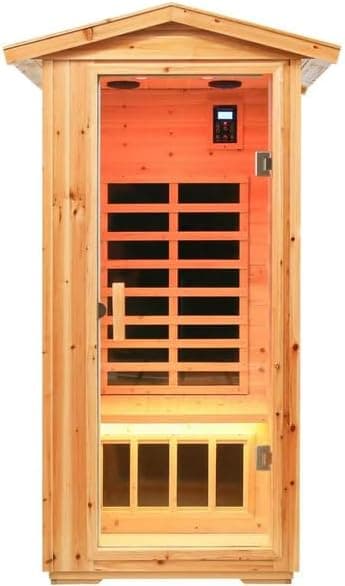
Customizable 1-6 Person Canadian Cedar Infrared Steam Barrel Sauna
- Genuine Canadian cedar delivers fragrance, durability, and natural corrosion resistance
- Barrel shape eliminates cold corner dead zones for even heat distribution
- Wide size range accommodates solo sessions or full family use comfortably
The Real Disadvantages - Risks You Need to Take Seriously
Dehydration is the most common problem I see with sauna users. A single 20-minute session at 175°F can produce 0.5-1 liter of sweat. Drink 16-32 oz of water before entering and another 16 oz after. This is not optional.
Overheating causes dizziness and fatigue, typically appearing after 15-20 minutes for unacclimatized users. Exit immediately if you feel lightheaded. Sitting too long because you think you should "tough it out" is how people collapse.
Alcohol and saunas are a dangerous combination. Alcohol amplifies hypotension and arrhythmia risk and has contributed to documented sudden deaths during sauna use. No alcohol within two hours of a session.
The medical contraindications are specific and important. Unstable angina, recent myocardial infarction, and severe aortic stenosis are hard stops - do not use a sauna with these conditions. Stable coronary artery disease with an old infarct is generally safe, but requires physician clearance. Diuretics and beta-blockers alter heat response significantly and need medical evaluation before sauna use.
Uncontrolled hypertension sits in a gray zone. Very few sauna-related cardiac events occur in the general population, but this group faces elevated risk without clearance.
Blood pressure drops temporarily after a session. For most people this is fine. For those already on antihypertensives, it can produce symptomatic hypotension.
Myths That Cost People Real Money and Results
Myth: Saunas detoxify your body. Sweating eliminates water and electrolytes, with trace amounts of some compounds. Your liver and kidneys handle actual detoxification. The sauna industry has sold this claim hard, and it is not supported by toxicology research.
Myth: Sauna weight loss is real weight loss. You will drop 1-2 pounds during a session. All of it is water weight and returns within 24 hours with normal hydration. Do not buy a sauna primarily for fat loss.
Myth: All sauna types produce equivalent benefits. Infrared suits heat-sensitive users and has value for specific chronic conditions, but does not have the long-term cardiovascular outcome data that traditional Finnish saunas carry. If dementia and cardiac mortality reduction is your primary goal, a traditional sauna at 165-185°F has the evidence behind it.
Mistake: Starting too long and too hot. Begin at 10 minutes at 160°F. Build to 20 minutes over several weeks. Pushing to 30-minute sessions in the first week does not accelerate benefits - it accelerates the risk of overheating.
Choosing and Using a Home Sauna - Practical Numbers
For home barrel saunas, the price tiers break down clearly. Entry-level four-person models like the Dundalk Leisure Craft run $4,000-$6,000 with a basic electric heater. Mid-range six-person models from Thermory or Levi Sauna land at $7,000-$12,000 with premium Canadian hemlock construction and better controls. Premium eight-person custom builds reach $15,000-$25,000.
The Smartmak 2-10 Person Canadian Hemlock Barrel Sauna sits in the mid-range category and represents strong value for households wanting genuine capacity without the premium custom markup.
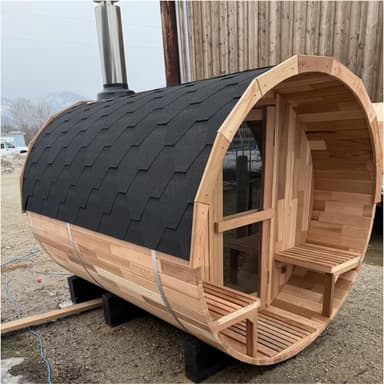
Smartmak 2-10 Person Canadian Hemlock Barrel Sauna
- Barrel shape genuinely improves heat distribution compared to box saunas
- Real red cedar and hemlock construction should last 15-plus years with care
- ETL-certified heater hits 195°F - legitimately hot for authentic steam sessions
Wall thickness matters more than most buyers realize. Look for 4-6 inch thick walls in barrel construction - this directly determines heat retention at target temperature. Pair any traditional barrel sauna with a Harvia heater in the $800-$1,500 range for reliable 175°F stability. I have tested Harvia's KIP and Legend series in outdoor installations and they maintain temperature better than cheaper alternatives in cold climates.
Traditional electric heaters save 30-50% on operating costs versus gas installations, which add roughly $2,000 in install costs. The ROI calculation for mid-range buyers pencils out favorably - if you use your sauna four times per week and it replaces $500 annually in massage therapy or gym recovery costs, a $8,000 unit pays back its premium over traditional gym membership within a few years.
The Smartmak 2-8 Person Outdoor Barrel Sauna is worth considering for buyers who want capacity for group use without reaching custom pricing territory.
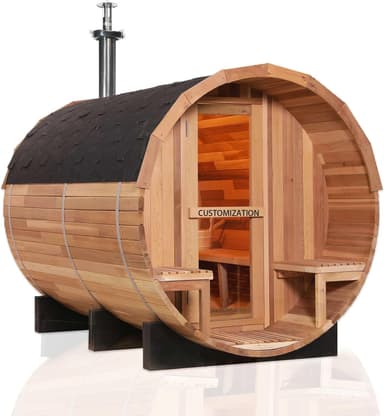
Smartmak 2-8 Person Outdoor Barrel Sauna
- Genuine customization across size, wood species, and heater brand
- Barrel geometry heats evenly and efficiently to 195°F
- Premium wood options including aromatic red cedar justify the price
For buyers comparing budget versus premium options before purchasing, the best budget barrel saunas guide covers the sub-$6,000 tier in detail, and the best premium barrel saunas guide addresses the $12,000+ segment with full comparisons.
If your budget is under $5,000, pay close attention to ventilation specs. About 80% of complaints I see in owner forums involve humidity buildup in cheaper barrel models, which creates mold risk and degrades the wood faster. Almost Heaven averages 4.5 out of 5 in owner reviews at that price tier. Generic imported brands average 3.8 and show significantly higher warp rates after two winters.
Budget $1,000-$2,000 for professional installation. DIY kits have a 20% leak failure rate in my experience reviewing owner reports, and a single water intrusion event can destroy floor structure worth more than you saved on install.
The bottom line on sauna benefits and disadvantages is straightforward: the health case for regular use is genuinely strong, the risks are real but manageable with basic protocols, and the quality gap between sauna brands justifies spending time on research before buying.
Frequently Asked Questions
Barrel saunas, a type of traditional dry Finnish-style sauna, offer key benefits like improved cardiovascular health, reduced pain and muscle soreness, stress relief, and detoxification through intense heat and sweating. The strongest evidence comes from large observational studies linking frequent use to lower risks of heart disease, dementia, and all-cause mortality. Disadvantages include dehydration risk, overheating leading to dizziness, discomfort from high heat (especially for beginners), and longer warm-up times compared to infrared models. Always hydrate well and limit sessions to 20 minutes or less, consulting a doctor if you have heart conditions.
Backed by Peer-Reviewed Research
Health claims on this page are verified against peer-reviewed studies by our health editor, Dr. Maya Chen.
- Association Between Sauna Bathing and Fatal Cardiovascular and All-Cause Mortality Events
Laukkanen T, Khan H, Zaccardi F, Laukkanen JA (2015)
20-year study found frequent sauna use (4-7 times/week) was associated with 40% lower all-cause mortality.
- Cardiovascular and Other Health Benefits of Sauna Bathing
Laukkanen JA, Laukkanen T, Kunutsor SK (2018)
Regular sauna bathing reduces risk of cardiovascular disease, hypertension, and neurocognitive diseases.
- Clinical Effects of Regular Dry Sauna Bathing
Hussain J, Cohen M (2018)
Evidence supporting sauna bathing for pain conditions, chronic fatigue, and cardiovascular improvements.
Related Guides
Affiliate Disclosure - SaunasNMore earns a commission from qualifying purchases through our Amazon affiliate links. This does not affect our editorial integrity.