
Health & Wellness
Cold Plunge Benefits - The Science of Cold Exposure
Cold plunge went mainstream fast. The research is strong on some benefits, thin on others. Full breakdown inside.
Written by Dr. Maya Chen
Wellness & Health Editor
Cold water immersion has accumulated serious scientific backing over the past decade, moving from athlete locker rooms into mainstream wellness routines. I have spent years testing recovery protocols alongside sauna use, and the cold plunge benefits research is more nuanced than most influencers admit.
What Happens to Your Body in Cold Water
The physiological response to cold immersion is immediate and dramatic. Blood vessels in your skin and extremities constrict within seconds to protect core temperature, while your sympathetic nervous system floods the body with norepinephrine and dopamine.
Heart rate spikes, blood pressure rises transiently, and metabolic rate climbs sharply. Your body simultaneously activates brown adipose tissue (BAT) - a calorie-burning fat type that generates heat - and initiates shivering thermogenesis as a secondary warming mechanism.
The exit phase matters just as much as the immersion itself. When you step out, the parasympathetic nervous system takes over, blood vessels dilate, and heart rate variability improves. That post-plunge calm is not imaginary - it is a measurable shift in nervous system state.
Cold plunge temperature directly controls how intense these responses become. Research analyzing 11 studies across 3,177 participants found water temperatures ranging from 45°F to 59°F produce meaningful physiological changes, with exposure times from 30 seconds to 15 minutes depending on the protocol.
Cold Plunge Benefits for Exercise Recovery
Muscle soreness reduction is where cold plunge research is strongest. Cold water immersion decreases exercise-induced muscle damage through rapid vasoconstriction, which limits inflammation at the cellular level, and studies consistently show reduced creatine kinase - a direct marker of muscle tissue breakdown.
Athletes using cold plunge tubs after high-intensity training report improved muscular power in subsequent sessions, with measurable gains in jumping and sprinting performance. A water temperature of 50°F to 59°F held for 10 to 15 minutes represents the most commonly studied recovery protocol.
One finding worth flagging honestly: five placebo-controlled studies found cold plunge reduced soreness more than rest alone, but the reduction was comparable to placebo interventions. Psychological expectation contributes to perceived recovery. That does not invalidate the practice - it means the real benefits are real, just not as superhuman as social media suggests.
The 2-minute cold plunge benefits discussion is popular in fitness circles. Two minutes is enough to trigger vasoconstriction and norepinephrine release, but the recovery evidence skews toward longer 10 to 15 minute exposures for serious muscle damage reduction.
Cardiovascular and Metabolic Effects
The metabolic numbers from controlled research are striking. A study by Sramek and colleagues measured immersion in 57°F water for one hour and found basal metabolic rate increased by 350%, while systolic blood pressure dropped 7% and diastolic dropped 8% from baseline.
Consistent cold exposure appears to lower cardiovascular disease risk through mechanisms distinct from sauna use. Where sauna produces passive vasodilation through heat, cold plunges force active vasoconstriction that trains vascular responsiveness and improves blood return to the heart.
Benefits are dose-dependent - meaning irregular plunging produces weaker adaptations than a consistent daily or near-daily routine. The benefits of cold plunge everyday appear in the research as compounding vascular and metabolic adaptations over weeks and months, not single-session miracles.
Immune Function and Stress Resilience
A widely cited Dutch study produced one of the most practical findings in this space. Participants who ended warm showers with a minimum of 30 seconds of cold water at approximately 50°F reduced sick-day work absences by 29% compared to controls.
That is a meaningful result for a low-cost intervention. Regular cold water immersion also stimulates white blood cell production and enhances infection-fighting capacity, though the exact mechanisms are still being refined in ongoing research.
For stress management, the timing matters. Ice bath immersion reduces stress levels, but the effect does not appear until roughly 12 hours after the session - not immediately after. Men in several studies reported improved sleep quality following cold exposure, though this benefit was inconsistent in women, which connects directly to the cold plunge benefits for women discussion.
Cold plunge benefits for men and women overlap substantially on recovery and immune response, but the sleep data shows real sex-based variation. Women interested in sleep improvement from cold exposure should treat it as an individual experiment rather than a guaranteed outcome.
Cold Plunge Benefits for Women - What the Research Shows
The research on cold plunge benefits for women is less complete than the general population data, but several points are clear. Inflammatory response reduction, norepinephrine release, and immune stimulation are consistent across sexes.
Where the data diverges is in sleep quality outcomes and stress response timing. Women showed less consistent sleep improvement compared to men in cold exposure studies. Hormonal fluctuations across the menstrual cycle also appear to influence thermoregulatory response, meaning the perceived intensity of a cold plunge varies through the month.
For women using cold immersion as part of a recovery or wellness routine, the core benefits - reduced soreness, improved circulation, immune support - remain valid. The approach of starting at 59°F and gradually working toward 50°F over two to three weeks allows adaptation without shock.
Pairing Cold Plunge with Sauna - Contrast Therapy
Combining sauna sessions with cold plunge creates complementary physiological effects that neither practice produces alone. Sauna exposure increases heat shock protein production by up to 48%, supporting cellular repair and immune function, while cold plunge delivers distinct vascular training and metabolic activation.
The standard contrast protocol runs sauna sessions of 15 to 20 minutes followed by cold immersion of 2 to 5 minutes, repeated two to three times. Finnish tradition has used this approach for centuries, and the modern research supports the underlying physiology.
For anyone building a backyard wellness setup, pairing a quality outdoor sauna with a dedicated cold plunge tub represents the most complete recovery environment available. The best outdoor barrel saunas are designed for exactly this kind of year-round use, where stepping directly from sauna to cold plunge is part of the routine.
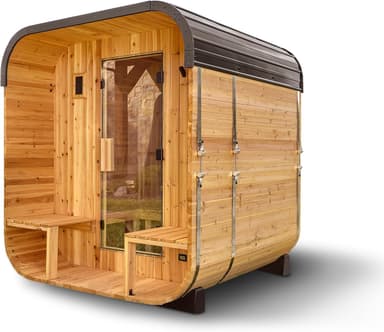
Backyard Discovery Lennon 2-4 Person Cedar Cube Sauna
- 9kW heater reaches temperature significantly faster than budget competitors
- 5-year warranty covers heater and hardware, not just the shell
- Wi-Fi preheat control adds genuine everyday convenience
A 2-person or 4-person cedar sauna positioned near a cold plunge tub creates a functional contrast therapy station that matches what elite sports facilities charge thousands per year to access.
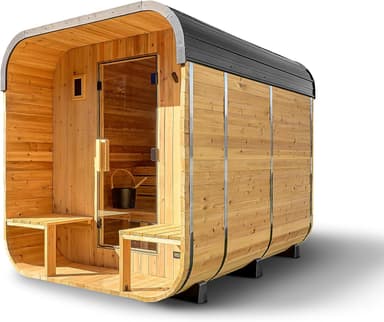
Backyard Discovery Lennon 4-6 Person Cedar Cube Sauna
- 9kW heater reaches target temperature significantly faster than competitors
- Tongue-and-groove cedar construction eliminates cold spots effectively
- Wi-Fi preheat lets you walk into a ready sauna every time
For larger households or groups, a 4-6 person cedar cube sauna allows multiple people to complete sauna rounds while one person uses the cold plunge, keeping the rotation efficient.
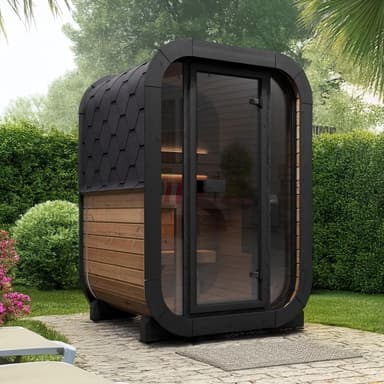
2-10 Person Canadian Cedar Outdoor Cube Sauna
- Deep customization covers size, wood, heater, windows, porch, and roofing
- Canadian red cedar offers genuine durability and natural aromatic quality
- HARVIA heater option is a trusted, proven choice for consistent heat
If you want a premium cedar build with more interior space for the sauna portion of the contrast protocol, the best premium barrel saunas offer thicker wall construction and longer lifespan in outdoor environments.
How to Cold Plunge - Protocol and Safety
How to cold plunge safely depends heavily on starting point. Beginners should not start at 45°F - that temperature range is appropriate for trained athletes with weeks of cold exposure behind them.
Start at 60°F to 65°F for the first one to two weeks, targeting 2 to 3 minute sessions. Drop temperature by 5°F every week or two as tolerance builds. Most people find 50°F to 55°F the effective sweet spot for sustained use without excessive stress response.
Anyone with cardiovascular conditions, hypertension, or Raynaud's disease should consult a physician before starting cold immersion. The acute blood pressure spike during initial immersion is real and significant - systolic pressure can rise sharply in the first 30 seconds, which matters for people with existing cardiac concerns.
Never cold plunge alone if you are new to the practice. Cold water shock response can impair breathing control and judgment in the first 30 seconds of immersion, and having someone present during early sessions is a practical safety measure rather than excessive caution.
Limit sessions to 15 minutes maximum. The research showing benefits used sessions in the 2 to 15 minute range - longer immersion increases hypothermia risk without producing additional benefit.
What Cold Plunge Cannot Do - Realistic Expectations
Claims about cold plunges dramatically increasing testosterone or extending longevity are not supported by current research. Some preliminary data exists on hormonal responses, but the effect sizes are small and the long-term interventional evidence is absent.
Body composition changes from cold exposure alone are minimal. Activating brown adipose tissue does increase calorie burn during immersion, but the absolute numbers do not produce meaningful fat loss without dietary changes alongside.
The honest summary of cold plunge benefits centers on three well-supported outcomes: faster exercise recovery, improved vascular function, and enhanced stress resilience. Those are worthwhile reasons to build a regular practice. They are also more durable motivations than chasing longevity claims that current science does not back.
Cold plunging works best as one component of a broader recovery and health approach - paired with quality sleep, adequate nutrition, regular training, and for many people, sauna use as the complementary heat stimulus. The contrast between heat and cold exposure produces physiological adaptations neither practice achieves independently.
Frequently Asked Questions
The most compelling cold plunge benefit, backed by research, is improved mood through a 250% increase in brain dopamine levels and reduced cortisol, the stress hormone. Athletes also experience faster muscle recovery as cold water constricts blood vessels, reducing inflammation, swelling, and soreness after workouts. Additional supported perks include boosted metabolism, better insulin sensitivity for blood sugar regulation, and immune enhancement via white blood cell stimulation, though larger studies are needed for full confirmation.
Backed by Peer-Reviewed Research
Health claims on this page are verified against peer-reviewed studies by our health editor, Dr. Maya Chen.
- Association Between Sauna Bathing and Fatal Cardiovascular and All-Cause Mortality Events
Laukkanen T, Khan H, Zaccardi F, Laukkanen JA (2015)
20-year study found frequent sauna use (4-7 times/week) was associated with 40% lower all-cause mortality.
- Cardiovascular and Other Health Benefits of Sauna Bathing
Laukkanen JA, Laukkanen T, Kunutsor SK (2018)
Regular sauna bathing reduces risk of cardiovascular disease, hypertension, and neurocognitive diseases.
- Clinical Effects of Regular Dry Sauna Bathing
Hussain J, Cohen M (2018)
Evidence supporting sauna bathing for pain conditions, chronic fatigue, and cardiovascular improvements.
Related Guides
Affiliate Disclosure - SaunasNMore earns a commission from qualifying purchases through our Amazon affiliate links. This does not affect our editorial integrity.