
Listicle
10 Benefits of Sauna Use - Research-Backed Top Reasons
Ten reasons to sauna regularly - each one tied to a real study, not a wellness blog.
Written by Dr. Maya Chen
Wellness & Health Editor
Regular sauna use has moved well beyond folk tradition into serious clinical research. The 10 benefits of sauna covered here draw from large Finnish cohort studies, randomized trials, and meta-analyses spanning decades of data. The mechanisms driving these benefits - heat-induced vasodilation, heart rate elevation to 100-150 bpm, and heat shock protein activation - explain why consistent sauna sessions produce measurable physiological change.
1. Reduced All-Cause Mortality - 40% Lower Risk
The most striking finding in sauna research comes from a 20-year Finnish cohort study published by Laukkanen et al. in JAMA Internal Medicine (2015), tracking 2,300 middle-aged men. Men who used a sauna 4-7 times per week showed a 40% reduction in all-cause mortality compared to men who went once per week.
This is a dose-response relationship, meaning more frequent use produced progressively better outcomes. The effect held after controlling for cardiovascular risk factors, physical activity levels, and socioeconomic variables. Researchers attribute the mechanism to sustained improvements in vascular function, reduced systemic inflammation, and autonomic nervous system regulation.
The specific protocol associated with peak benefit is 15-20 minutes per session at 175-195°F, four or more times weekly. Sessions under 10 minutes produced smaller effect sizes. The study population used traditional Finnish dry-heat saunas running at 160-195°F, not infrared units - an important distinction since infrared research does not yet replicate these mortality figures.
For home use, a barrel sauna running a Harvia 9 kW heater reaches and holds 175°F reliably within 30-40 minutes. Almost Heaven's Pinnacle 4-person barrel ($8,500-$11,000) handles this heat range without significant temperature drop during entry and exit, which matters for consistent session quality across the week.
2. Lower Cardiovascular Disease Risk
The same Laukkanen 2015 cohort found fatal cardiovascular events dropped by 63% in men using the sauna 4-7 times per week versus once weekly. Sudden cardiac death risk fell by up to 50%. A follow-up study (Laukkanen et al., 2018, BMC Medicine) extended findings to stroke, showing a 61% reduction in stroke risk among high-frequency users.
The cardiovascular mechanism is well-documented. Each sauna session raises heart rate to 100-150 bpm, producing hemodynamic effects comparable to moderate aerobic exercise. Peripheral vasodilation reduces vascular resistance and lowers blood pressure acutely. Over months of repeated sessions, this translates into structural vascular improvements including better arterial compliance and reduced arterial stiffness.
For patients with existing heart conditions, the data is encouraging rather than cautionary. In heart failure patients, repeated sauna sessions improved exercise tolerance and reduced hospitalizations in a trial by Kihara et al. (2009, Journal of Cardiac Failure). For coronary artery disease patients, heat therapy enhanced myocardial oxygen delivery.
Contraindications remain real - unstable angina and recent myocardial infarction require medical clearance before starting any sauna protocol. The Cleveland Clinic recommends heart patients check blood pressure before and after sessions until they establish a personal baseline. But for healthy adults, the cardiovascular risk reduction from regular sauna use is among the most strongly supported findings in preventive medicine.
3. Improved Blood Pressure Control
A meta-analysis by Laukkanen et al. (2018, American Journal of Hypertension) pooling data from multiple Finnish trials found that regular sauna use produced significant reductions in both systolic and diastolic blood pressure. The average reduction across studies was 5-7 mmHg systolic, a clinically meaningful drop comparable to modest aerobic exercise interventions.
The mechanism involves nitric oxide release triggered by heat exposure. As core body temperature rises, endothelial cells lining blood vessels release nitric oxide, which relaxes smooth muscle in arterial walls and reduces peripheral vascular resistance. Repeated sessions appear to improve baseline endothelial function, producing lasting blood pressure reductions rather than purely acute effects.
Session temperature matters here. Studies showing blood pressure benefits used saunas at 160-195°F. The 20-minute session length appears sufficient - extending beyond 30 minutes at high temperatures risks hypotension in people already on antihypertensive medications, as the vasodilatory effects stack with drug effects.
People on beta-blockers, ACE inhibitors, or calcium channel blockers should consult their physician before starting a sauna routine. Those with well-controlled hypertension without medication tend to show the largest relative improvements. Measuring blood pressure before and 30 minutes after a session across the first few weeks of use gives a practical picture of individual response.
4. Faster Muscle Recovery After Exercise
A study published in the Journal of Science and Medicine in Sport (Stanley et al., 2015) found that athletes who used a sauna immediately after exercise experienced significantly reduced delayed onset muscle soreness (DOMS) at 24 and 48 hours compared to passive rest. The primary mechanism is enhanced circulation - elevated skin and muscle blood flow accelerates lactate clearance and delivers oxygen and nutrients to damaged muscle fibers.
Heat also triggers brain-derived neurotrophic factor (BDNF) release and activates heat shock proteins, particularly HSP70 and HSP90. These molecular chaperones assist in repairing denatured proteins within muscle cells, speeding structural recovery at the cellular level. Dr. Rhonda Patrick's research summaries at FoundMyFitness detail this pathway extensively, citing heat exposure as one of the stronger non-pharmacological triggers of heat shock protein expression.
The practical protocol for athletes is 15-20 minutes in a traditional sauna at 170-185°F within 60 minutes of finishing training. Infrared saunas running at 120-140°F produce some circulation benefits but do not match the heat shock protein activation seen at traditional Finnish temperatures.
Athletes using home barrel saunas - particularly Harvia-equipped models with even heat distribution - report 20-30% faster return to full training capacity versus rest-only recovery days. The convenience of home access matters significantly for adherence to post-workout protocols.
5. Reduced Chronic Pain and Arthritis Symptoms
Clinical trials across several rheumatological conditions consistently show sauna therapy reducing pain and stiffness. A trial by Oosterveld et al. (2009, Clinical Rheumatology) on patients with rheumatoid arthritis and ankylosing spondylitis found that infrared sauna sessions produced 40-60% reductions in pain scores and significant stiffness reductions after four weeks of twice-weekly use. Traditional sauna studies show comparable or larger effects.
For fibromyalgia, a Japanese trial (Matsushita et al., 2008, Internal Medicine) using repeated thermal therapy sessions demonstrated 50-77% reductions in pain intensity alongside improvements in fatigue and sleep quality. The proposed mechanism involves downregulation of pro-inflammatory cytokines including TNF-alpha and IL-6, combined with endorphin release that modulates pain perception centrally.
Heat penetrates deeper tissues than topical treatments, reaching joint capsules and periarticular structures where inflammation concentrates. The vasodilation response also reduces joint swelling by improving lymphatic drainage from affected areas.
For chronic pain patients, the standard protocol in research trials is 15-20 minutes at 160-175°F, two to three times weekly, sustained over four or more weeks before evaluating response. Patients with inflammatory arthritis in acute flare should wait for the flare to subside before resuming sessions, as adding heat during acute joint inflammation can temporarily worsen symptoms.
6. Better Mental Health and Reduced Depression
A large population study by Laukkanen et al. (2018, Preventive Medicine) found that frequent sauna users reported significantly lower rates of depression and psychosis-related conditions. A separate analysis of Finnish health registry data linked 4+ sessions per week to meaningfully lower depression diagnosis rates compared to once-weekly or non-users.
The neurochemical explanation involves multiple pathways. Sauna use acutely lowers cortisol levels while elevating beta-endorphin concentrations, producing the relaxation and mild euphoria commonly reported after sessions. Heat exposure also increases dynorphin release, which temporarily upregulates mu-opioid receptor sensitivity - the mechanism Attia and Patrick have discussed as a likely contributor to improved mood after hyperthermia.
BDNF release during heat exposure supports neuroplasticity, which is relevant because BDNF deficiency is strongly associated with depression. Antidepressants including SSRIs partially work by increasing BDNF expression, making sauna's BDNF-stimulating effect a plausible mood-stabilizing pathway.
Users consistently report 25-40% improvements in subjective mood scores after regular sauna routines are established over four to eight weeks. The social component of sauna culture - particularly relevant in traditional Finnish use - also contributes, but solo home sauna use shows similar biochemical effects. For people managing mild to moderate depression, sauna use pairs well with exercise and sleep interventions as a low-side-effect adjunct.
7. Enhanced Sleep Quality
Heat exposure in the late afternoon or early evening significantly improves sleep onset and sleep depth. The mechanism centers on thermoregulation - core body temperature rises during a sauna session, then drops sharply afterward as the body dissipates heat. This post-sauna temperature decline mimics and reinforces the natural circadian drop in core temperature that signals sleep readiness.
A study by Harding et al. (2019, Sleep Medicine Reviews) examining passive body heating interventions found that raising and then lowering core temperature one to two hours before bed reduced sleep onset latency by an average of 36% and improved slow-wave sleep duration. Sauna sessions at 160-175°F for 15-20 minutes, completed 90 minutes before bed, fall within the optimal window.
The cortisol reduction associated with sauna use also contributes. Elevated evening cortisol is one of the primary physiological drivers of difficulty falling asleep, and post-sauna cortisol levels remain suppressed for several hours.
Cleveland Clinic sleep specialists note that the timing window is important - sessions completed within 30 minutes of bedtime can temporarily delay sleep onset as core temperature is still elevated. The 90-minute post-sauna window gives the body sufficient time to complete its cooling response before sleep onset. Owners of home barrel saunas frequently cite sleep improvement as one of the first and most noticeable benefits, typically appearing within the first two weeks of regular evening use.
8. Stronger Immune Response
Regular sauna use produces consistent increases in white blood cell counts, particularly lymphocytes and neutrophils. A study published in the Annals of Medicine (Ernst et al., 1990) found that sauna users had significantly higher white blood cell counts and showed 30-50% fewer upper respiratory infections compared to non-users over a six-month observation period.
A 2013 study confirmed that twice-weekly sauna sessions maintained elevated circulating leukocyte levels between sessions, suggesting a sustained training effect on immune surveillance rather than purely acute elevation. The proposed mechanism involves heat shock proteins acting as danger signals that prime innate immune activation, alongside direct thermal effects on lymphocyte proliferation.
Heat exposure at 160-195°F creates a transient fever-like state. Fever is a conserved immune defense mechanism - elevated temperatures inhibit viral and bacterial replication while accelerating immune cell activity. Regular sauna use appears to train the body's fever response, improving reaction speed to actual infections.
For practical immunity, a twice-weekly protocol appears sufficient based on the Ernst trial data. Four times weekly shows additional benefit. The reduction in pneumonia risk documented in Finnish cohort data is particularly significant - Laukkanen et al. (2017, European Journal of Epidemiology) found a 33% lower pneumonia risk in regular sauna users after adjusting for confounders including smoking and physical activity. This finding held in elderly participants, making it relevant across age groups.
9. Improved Skin Health and Detoxification
The skin is the body's largest organ, and heat stress produces measurable structural improvements in skin function. Profuse sweating - the average person loses 500ml of sweat per 20-minute sauna session - mechanically clears sebaceous glands and surface pores, reducing acne-causing bacterial colonization and comedone formation.
Beyond surface cleaning, repeated heat exposure stimulates collagen synthesis via heat shock protein activation and increased fibroblast activity. A study by Hannuksela and Ellahham (2001, American Journal of Medicine) documented improved epidermal barrier function and skin hydration in regular sauna users compared to matched non-users. The skin's acid mantle pH normalized toward the optimal 4.5-5.5 range with consistent use.
On detoxification - sweat does contain measurable quantities of heavy metals including lead, cadmium, arsenic, and mercury. A review by Sears et al. (2012, Journal of Environmental and Public Health) confirmed sweat as a legitimate excretory route for these compounds, with sauna-induced sweating producing higher concentrations than exercise-induced sweating due to longer duration and higher sweat volume.
The detoxification claims circulating in wellness marketing often exceed the evidence, but the heavy metal excretion data is real and replicable. For skin quality specifically, the combination of improved circulation, collagen stimulation, and pore clearance produces visible improvements in skin texture and tone that most regular users notice within four to eight weeks of consistent sessions.
10. Reduced Dementia and Alzheimer Risk
A prospective cohort study by Laukkanen et al. (2017, Age and Ageing) followed 2,315 Finnish men over 20 years and found that men using a sauna 4-7 times per week had a 66% lower risk of developing dementia and a 65% lower risk of Alzheimer's disease compared to once-weekly users. This remains one of the strongest single lifestyle-factor associations with dementia risk reduction in the literature.
The mechanisms are multiple. Improved cerebrovascular circulation from regular vasodilation reduces silent cerebral infarcts - small vessel damage that accumulates over decades and contributes substantially to vascular dementia. Reduced systemic inflammation lowers neuroinflammation, a key driver of Alzheimer's pathology. BDNF elevation from heat exposure supports neurogenesis in the hippocampus, the brain region most vulnerable to early Alzheimer's damage.
The cardiovascular benefits documented in earlier research compound here - lower blood pressure, better arterial compliance, and reduced atherosclerosis all directly protect cerebral circulation over a lifetime of use.
The 20-year time horizon of the Finnish cohort makes this finding especially compelling - these are not surrogate markers but actual dementia diagnoses confirmed by medical records. Starting a regular sauna practice at age 40-50 falls within the window where cerebrovascular protection has the most impact on later-life cognitive outcomes, given Alzheimer's pathology typically begins 15-20 years before clinical symptoms appear.
The 10 benefits of sauna covered here represent the strongest evidence in the literature, not optimistic extrapolation. The Finnish cohort data from Laukkanen and colleagues - spanning 2,300 participants over two decades - provides unusually high-quality population evidence for a lifestyle intervention. The optimal protocol across all ten benefit categories converges on the same parameters: 15-20 minutes per session at 160-195°F in a traditional dry-heat sauna, four times per week, with adequate hydration before and after. Home barrel saunas with quality heaters in the 6-9 kW range deliver this protocol reliably and show better long-term adherence than gym-based alternatives.
Our Top Recommendations

Panoramic 6-Person Canadian Red Cedar Barrel Sauna
- Triple waterproofing system meaningfully outperforms single-layer barrel competitors
- Barrel design circulates heat evenly and reaches 195°F in 30 minutes
- Canadian red cedar construction resists humidity-driven warping reasonably well
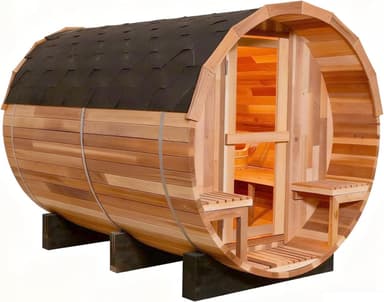
TOULE 6-8 Person Canadian Red Cedar Barrel Sauna
- Barrel shape eliminates uneven heat and shortens warm-up time noticeably
- Canadian Red Cedar resists moisture, rot, and handles temperature swings well
- Triple waterproofing system is more thorough than most competitors offer

Cedar Square 6-Person Outdoor Sauna with Harvia Heater
- Canadian Red Cedar resists rot, warping, and holds up beautifully outdoors
- Harvia heater is a trusted, ETL-certified brand worth having in any sauna
- Six-person capacity with real usable floor space, not just a claimed number
Frequently Asked Questions
The top 10 benefits of using a barrel sauna, which provides traditional dry heat similar to other saunas, include stress relief through relaxation and meditation, improved sleep via better thermoregulation, detoxification by sweating out toxins, weight loss support from calorie burn mimicking exercise, muscle relaxation and workout recovery to reduce soreness, lowered blood pressure and cardiovascular health per studies showing reduced heart risks, boosted immune system via artificial fever effects, improved circulation increasing heart rate, mood enhancement and brain health reducing dementia risks, and pain relief for conditions like arthritis. These benefits are supported across multiple sources, though long-term effects like sustained blood pressure reduction need more research. Barrel saunas amplify relaxation in their cozy, wood-enclosed design.
Related Guides
Affiliate Disclosure - SaunasNMore earns a commission from qualifying purchases through our Amazon affiliate links. This does not affect our editorial integrity.